Killer Sudoku






The logic-based puzzle game Killer Sudoku has enigmatic amounts offered on a single grid. Give serious consideration to each final figure before settling on it.
Classic Foundations Remain Strong
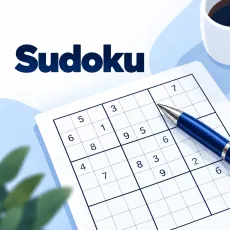
A seemingly empty 9x9 grid appears on the screen, hiding two layers of rules beneath its squares. Killer Sudoku asks you to fill each row, column, and 3x3 box with digits one through nine. No digit can appear twice within any of these areas. The game adds another challenge: every outlined group of cells must match its given sum. Addition becomes the key to unlocking positions that ordinary logic leaves uncertain. Players must look beyond the numbers already provided. They constantly calculate possible combinations within each cage. Every time a cage sum reveals the correct number, another part of the grid becomes clearer. You sit with focused eyes, gently moving your fingers across the keyboard or touchscreen. Each step narrows the possibilities until the entire grid takes shape.
Despite introducing killer cages, Killer Sudoku stays true to the classic rules behind this puzzle genre. Every horizontal row must contain digits one through nine without repetition. The same rule applies to every vertical column and each 3x3 box. This familiar foundation makes the game approachable from the very first puzzle. However, that familiarity quickly gives way to a greater challenge. Classic rules alone often leave too many possibilities for certain cells. This is where cages with target sums become valuable clues. You begin listing combinations of different digits that produce the required total. No digit can repeat within the same cage. As impossible combinations are eliminated, the remaining numbers gradually reveal their correct positions.
Difficulty Levels From Relaxing To Extreme
Before the grid appears, players can choose a difficulty level ranging from Easy to Insane. The main difference lies in how many cells are already filled. Easy mode reveals more numbers from the beginning, helping you understand the rhythm and learn the basics. Moving to Medium and Hard leaves noticeably more empty cells. You must rely increasingly on combination calculations rather than basic rules alone. At Expert and Insane levels, the grid is almost empty, offering very few initial clues. Players must constantly cross-check rows, columns, boxes, and cage totals to avoid dead ends.